

Ford Explorer Premium AWD
Ford Explorer Premium AWD review.
For – handsome, quick, high quality, practical.
Against – pricey, usual EV negatives.
****
£58,135
Competition – VW ID.4/5, Renault Scenic E-tech, Kia EV6, Tesla Model Y, Hyundai Ioniq 5
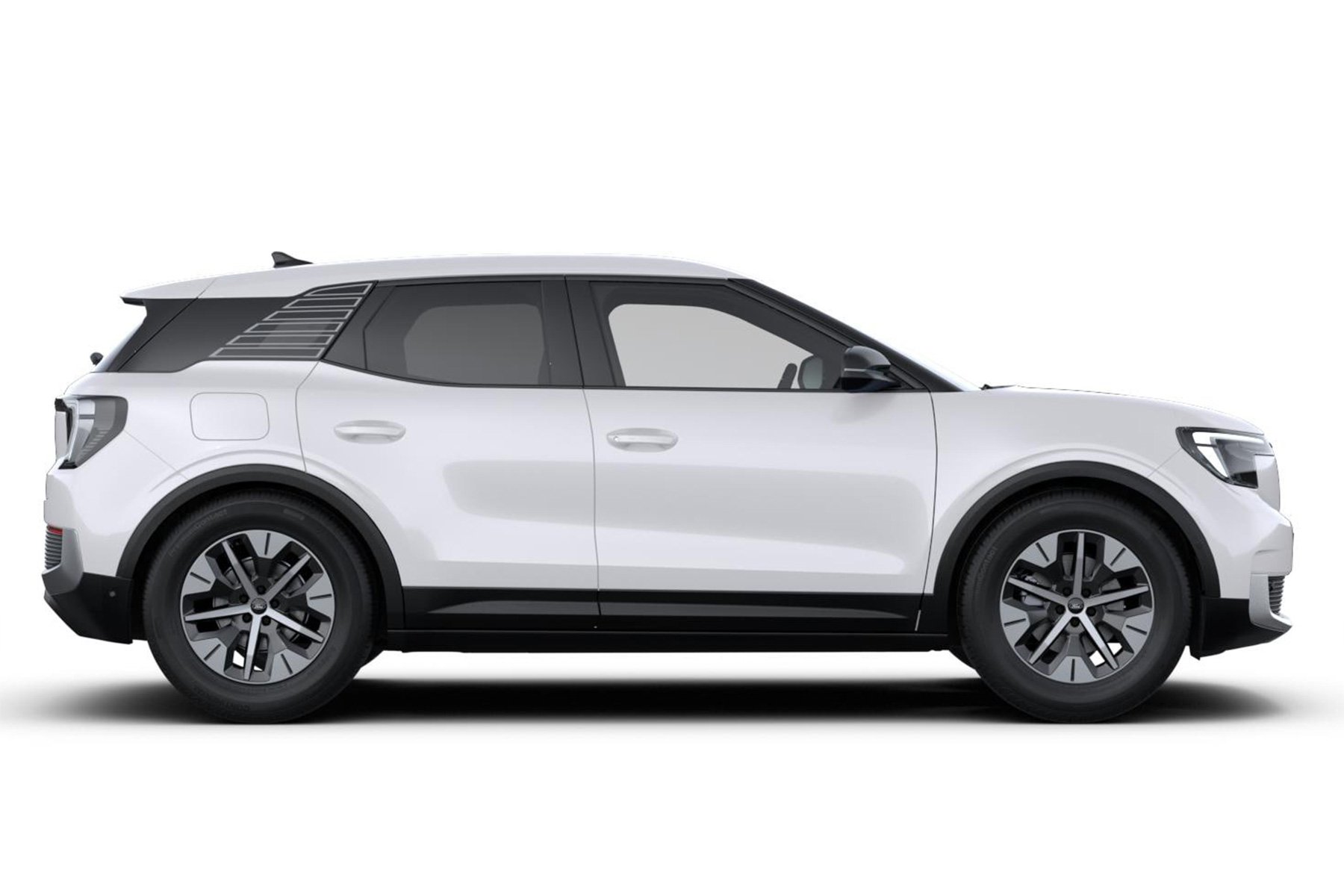
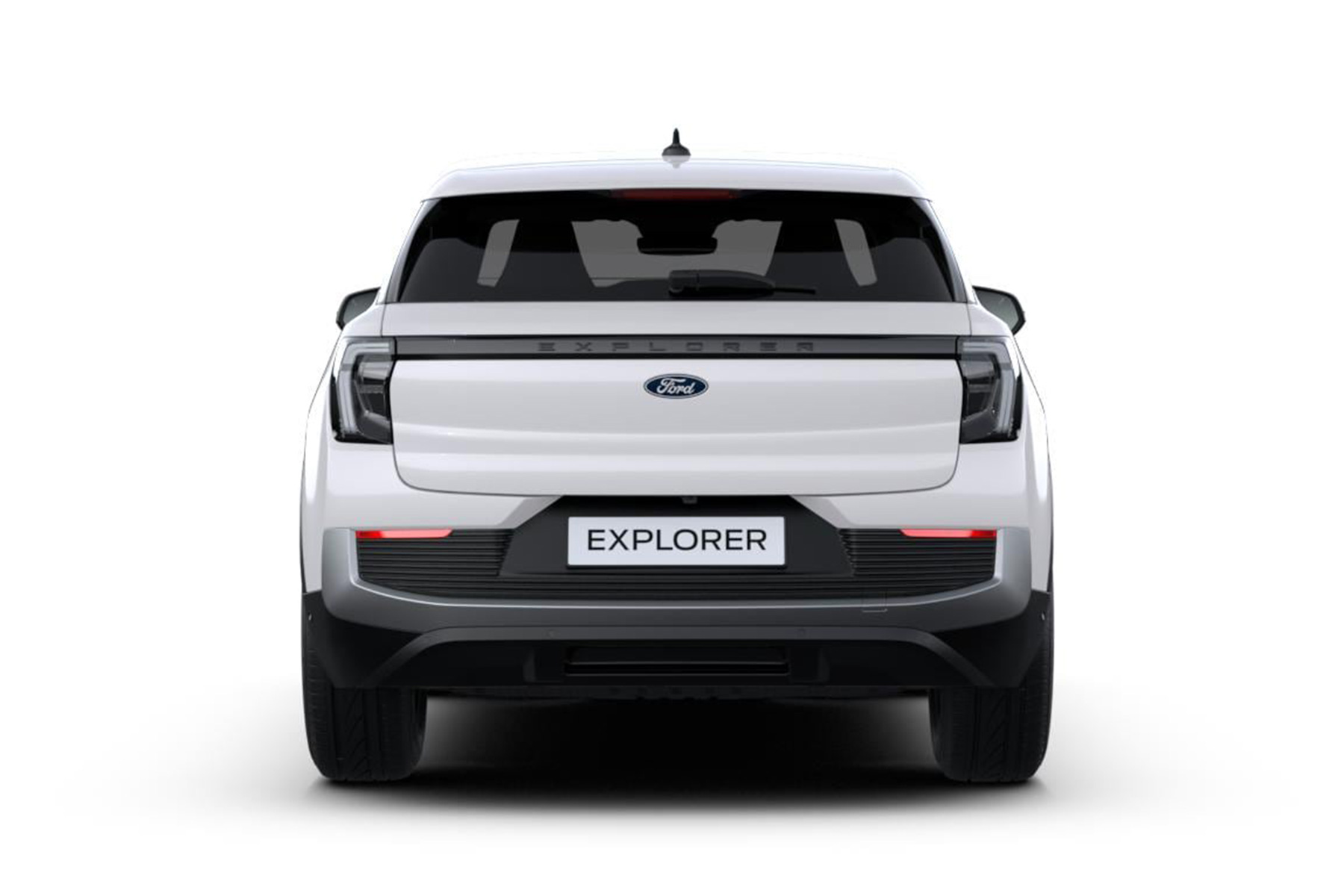
The Ford Explorer EV is a handsome SUV which is fast as well as practical.
The range starts at just under £40,000, but this top-of-the-range four-wheel drive Premium model, with many tasty extras, costs close to £60,000. It feels big but isn’t anywhere near the size of the U.S. petrol model.
 I had the pleasure of driving an all-American Ford Explorer about 10 years ago, on a trip that included Yosemite, Pebble Beach, a beach resort south of Los Angeles whose name escapes me, and Scottsdale, Arizona. That was a pleasant memory, and this smaller European electric counterpart left good vibes as well.
The Explorer and Capri EVs are built using the basic engineering components supplied by Volkswagen from its ID.3 and ID.4. This deal was done to help Ford speed up its embrace of EVs, which were supposedly going to be the only vehicles to be sold by 2030. That ambition has been scaled back as the sale of EVs has failed to match this EU-induced project’s ambitions.
 New models coming in Europe?
Ford Europe needs new models to fill out its product portfolio and plans two more in 2027. It needs to replace its Kuga SUV, and perhaps the little Fiesta, which went out of production last year. It’s not clear if new models will be electric only. Probably not, given the momentum in Europe seems to be towards a dilution of the EV mandate which insists new cars in 2035 must only be electric. Ford has embarked on a project in the U.S. for a new EV platform that could spawn up to eight models which would use cheaper LFP batteries, as opposed to the nickel manganese cobalt used for the European EVs now. It’s probably not a stretch to imagine one or two of those models might have Europe in mind.
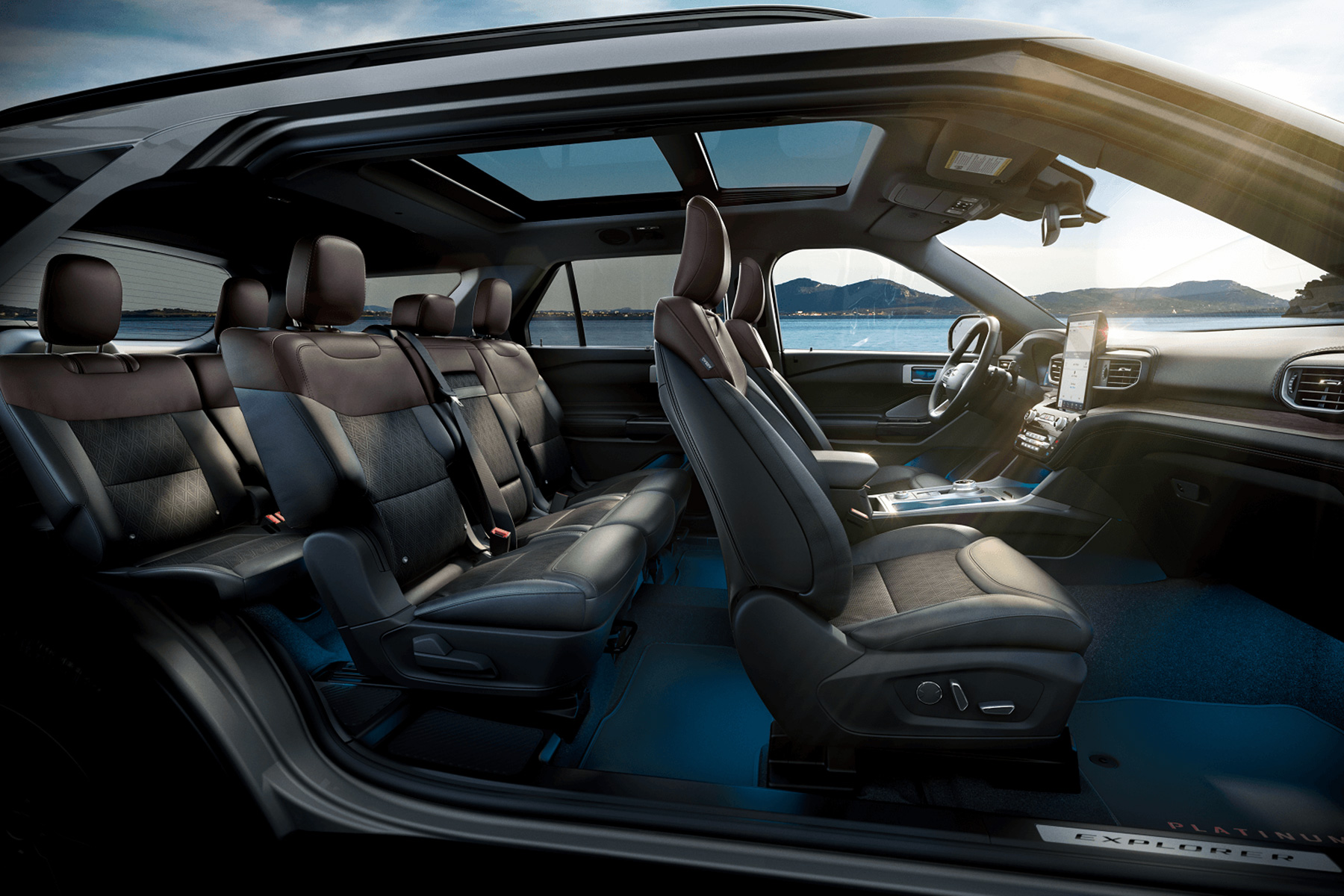
The Explorer range starts with a 280 hp, 52 kWh Style model with two-wheel drive at just under £40,000 and moves through Select to Premium and all-wheel drive. My Premium version was lightning-fast and felt utterly secure on both country roads and motorways. The suspension was very harsh and German. No surprise there. Handling and ride were impeccable. No doubt because of my advancing years, the media set-up never ceased to baffle. The electric windows, instead of having the normal four options, had just two. You had to push “rear” to activate the back windows. I can’t imagine who thought that was a good idea. The wing-mirrors also were less than intuitive. That’s a first. There was much bonging and squeaking if imagined hazards appeared on the horizon or alongside.
Regenerative braking worked a treat
And then there was the performance of the electric parts of the equation. Regenerative braking worked a treat, keeping range availability nicely ahead of actual miles driven. For instance, on my standard drive over rolling country roads around the A272, one 38-mile run used only 30 miles of available range. A 40-mile trip removed 37 miles. Looking at the aerodynamics of the car, clearly it would labour at motorway speeds. And so it proved, although the measurement was very erratic. One 21-mile run at around an indicated 75 mph consumed 58 miles from the availability dial. The return journey accounted for 22 miles. I decided a rerun was required and this time in very similar circumstances the 21-miles removed 31 miles, and the return 22 miles. The first part has a consistent up-hill mode, but not that much.
The battery, as usual with normal EVs, failed to fill anywhere close to allow the 350-mile WLTP range to be achieved. It averaged 276 miles after 3 attempts.

What to buy?
It might be boring but at least it’s consistent. Almost every EV I drive is delightful in many ways. Only one has ever persuaded me to advise people to part with their hard-earned, and that’s the BYD Dolphin Surf. The trouble is the industry has consistently been building the wrong kind of EV. It has tried to make an EV the equivalent of an ICE model and that’s impossible within cost limitations. The Ford Explorer is terrific in many ways but getting towards £60,000 for a high technology vehicle that can’t handle long-distance cruising for holidays in the sun, or winter on the slopes, makes no sense to me. Manufacturers need to start using electric technology to maximize its strengths. That means an urban vehicle that can handle all the dull but critical local jobs. If you start to make it autoroute-compatible the cost will quickly eliminate it as a contender. The little Dolphin Surf is still a bit pricey but does its job with aplomb and quality. In the next years, expect more cheaper and practical little runabouts. Meanwhile if you need autoroute capability too, buy a PHEV.
| Ford Explorer Premium AWD | |
|---|---|
| Electric motor: | 335 hp |
| Torque: | 545 Nm |
| Gearbox: | one-speed |
| Battery: | 79 kWh lithium-ion |
| Claimed range: | 350 miles |
| WintonsWorld battery test: | 276 miles (average of 3 to 100%) |
| Battery shortfall: | 21% |
| Highway cruising penalty: | 35% |
| Highway cruising range: | 179 miles |
| Charging DC: | 10-80% 26 minutes |
| Drive: | all-wheels |
| Acceleration: | 0-60 mph 5.1 seconds |
| Top Speed: | 112 mph |
| CO2: | zero while driving |
| Length: | 4,468 mm |
| Width: | 1,946 |
| Height: | 1,639 |
| Weight: | 2,167 kg |
| Wheel-base: | 2,767 |
| Suspension: | MacPherson/multi-link |
| Boot capacity: | 470/1,417 litres |
| Competition: | VW ID.4/5, Renault Scenic E-tech, Kia EV6, Tesla Model Y, Hyundai Ioniq 5 |
| Rating: | out of ****5 |
| Price: | £58,135 |
| For: | handsome, quick, high quality, practical |
| Against: | pricey, usual EV negatives |

Ford Explorer Premium AWD

No comments yet.