
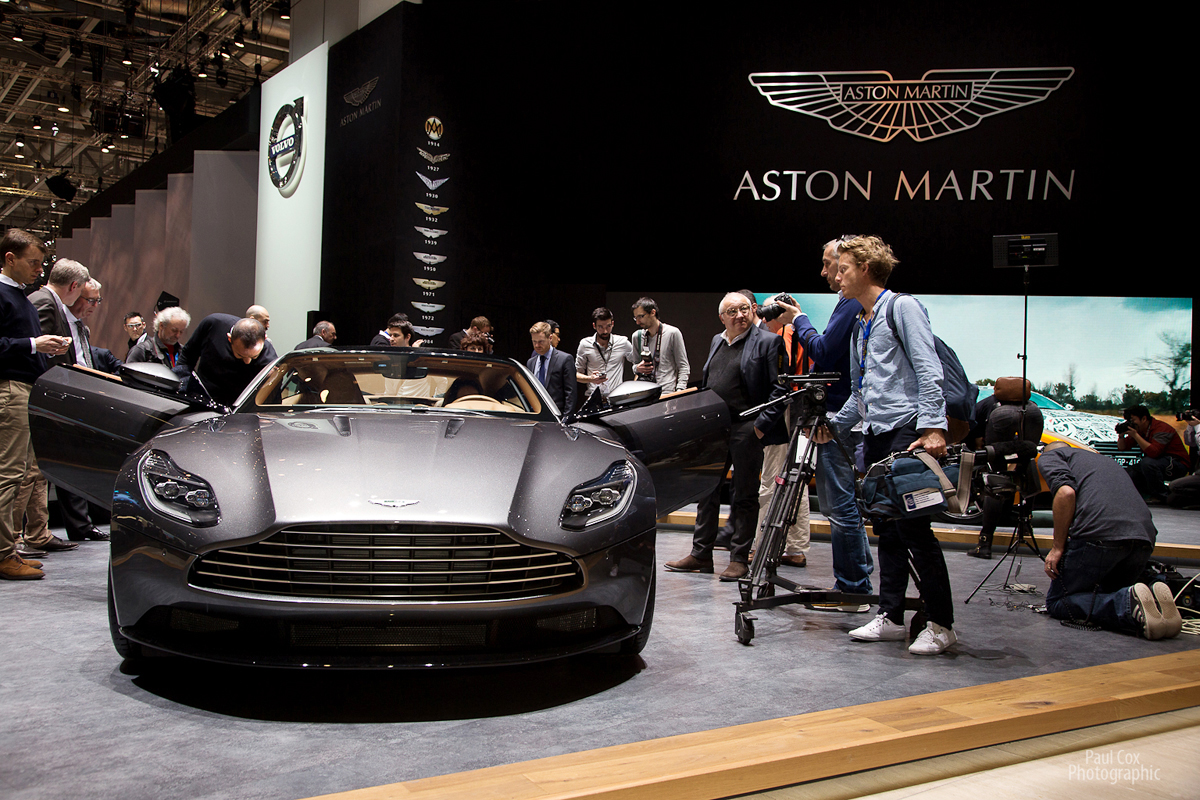
Aston Martin DB11
SUVs, Supercars Dominate Geneva, But CO2 Crackdown Awaits.
“We’ll see more horsepower and more SUVs and even more automotive passion than ever before. You won’t see a lot of progress around green mobility”
GENEVA, Switzerland – Think of it as a last hurrah from Europe’s car manufacturers before the bureaucrats from Brussels take over.
In 2021, harsh rules on average fuel consumption are likely to have a profound impact on cars driven in Europe. So at the Geneva Car Show next week the fantastic sight of new Bugattis, Aston Martins, McLarens, Lamborghinis and Maseratis lashed to the stands before being unleashed on Europe’s highways might not be seen again.

Bugatti Chiron
You will also see many new SUVs right across the price range too, up to the luxurious Maserati Levante. Developments in connected cars and electric ones won‘t be visible on the radar.
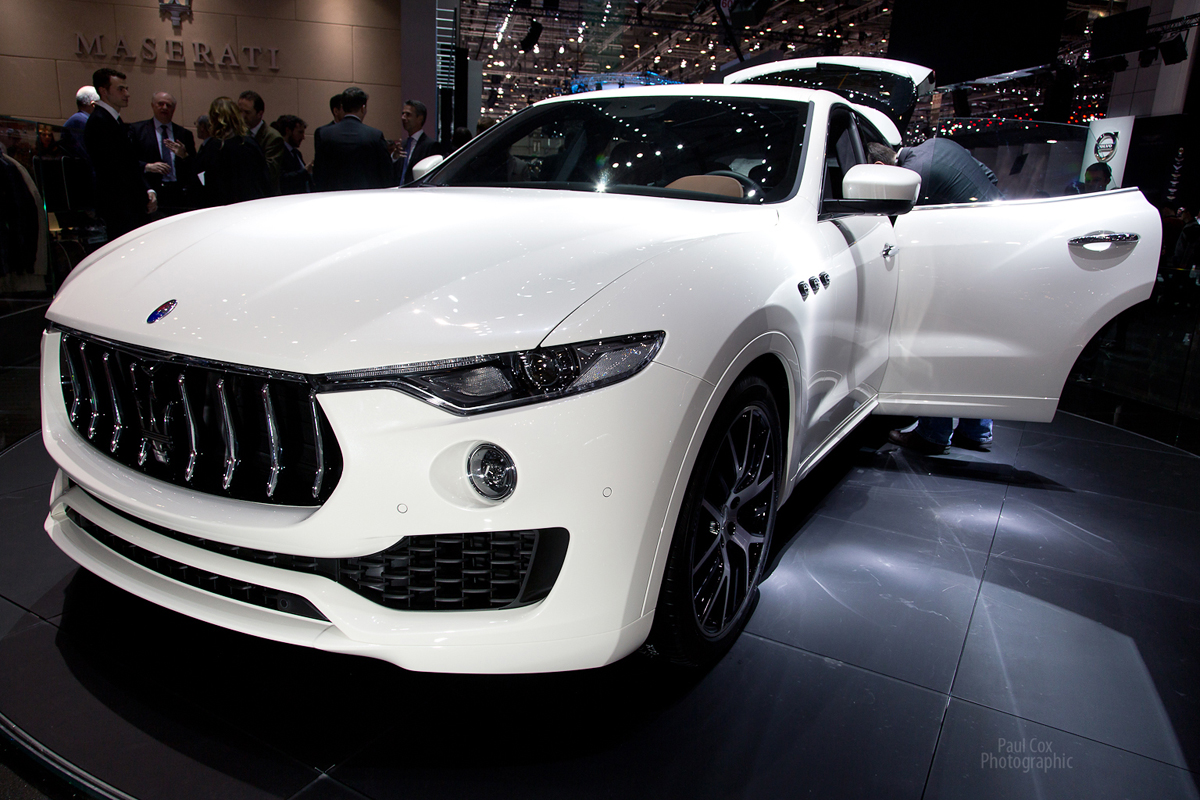
Maserati Levante SUV
In 2021, European Union fuel economy regulations insist on an average 57.4 miles per U.S. gallon for vehicle fleets, up from 2015’s 43 mpg. And before Americans get too superior about Europe shooting itself in the foot, by 2025 U.S. rules call for an average fleet fuel consumption of 54.5 mpg. Good luck with that.
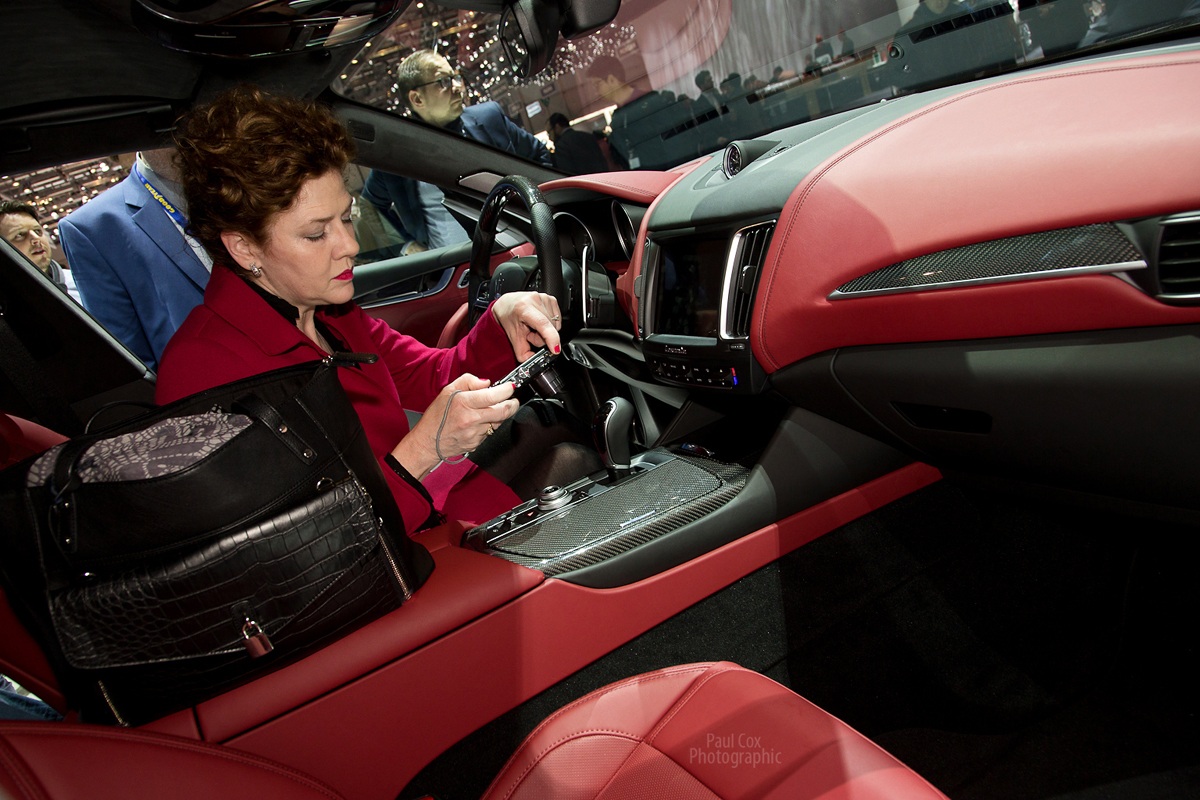
Maserati Levante SUV
So next year in preparation for these new rules, cars are likely to be much less exotic, if not quite dragged down to the golf cart level. Meanwhile enjoy the spectacle while you can when the annual car show opens here next week. Electric cars and hybrids will be on the fringes, momentarily.
Supercars
This influx of supercars also combines with a falling oil price to make SUVs more affordable, and Europe’s delayed love affair with these four by fours is gathering pace.
“We’ll see more horsepower and more SUVs and even more automotive passion than ever before. You won’t see a lot of progress around green mobility. It’s a big challenge to bring electric mobility to customers’ attention especially with the very low oil price,” said Peter Fuss, partner at consultants Ernst & Young’s Global Automotive Center in Frankfurt, Germany.
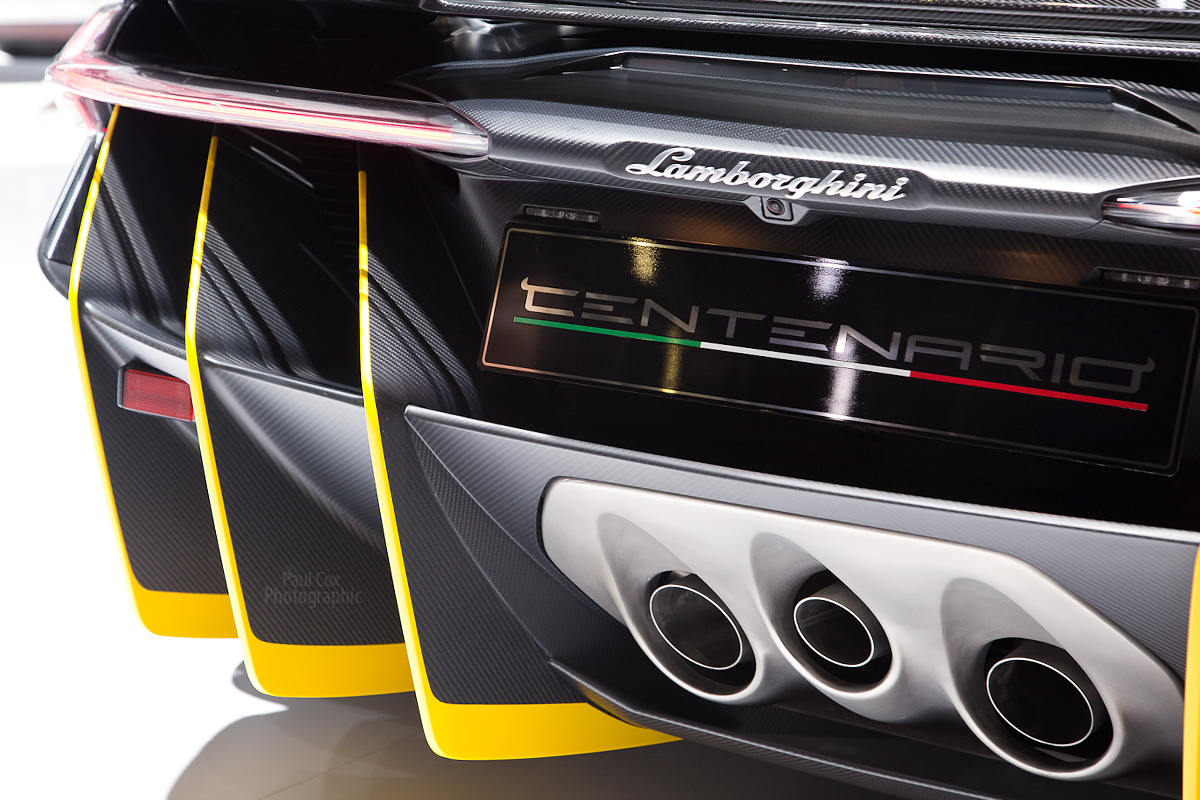
Lamborghini Centenario
Fuss pointed out that manufacturers, to their credit, have made big strides in fuel economy by reducing weight and making important technical advances.
“But most car manufacturers are showing cars this year with more performance, more horsepower than ever before, and it’s not just the premium manufacturers, it’s almost everybody. In an environment of low oil prices customers don’t worry so much about fuel consumption,” Fuss said.
“Brussels (E.U.) regulators won’t be happy, but it won’t be long before manufacturers need to start making sure they offer low fuel consumption cars. There’s still a few years to go, we may see more in 2017 and 2018, with many more plug-in hybrids. We’re still not seeing many electric cars. They are still too expensive and range-challenged at least in the eyes of the consumer,” Fuss said.
Connectivity creep
Professor David Bailey of the Aston Business School in Birmingham said the latest trend for increased connectivity in cars is creeping up on buyers. The development is important because it provides the building blocks for autonomous cars with choices like lane departure assist, and limited automated driving in traffic and during certain highway journeys.
Electric cars have been slow in coming, but they will arrive in strength soon.
“Electric cars haven’t taken off as forecast, but support from governments is increasing. The key year will be 2017 when we see the introduction of the Tesla Model 3, a Volvo and the AmperaE (the Chevrolet Bolt in Europe). Even so, for electric cars to be successful, range has got to double and the price about halve. In 2017 we will see game changes in terms of range and cost,” Bailey said.
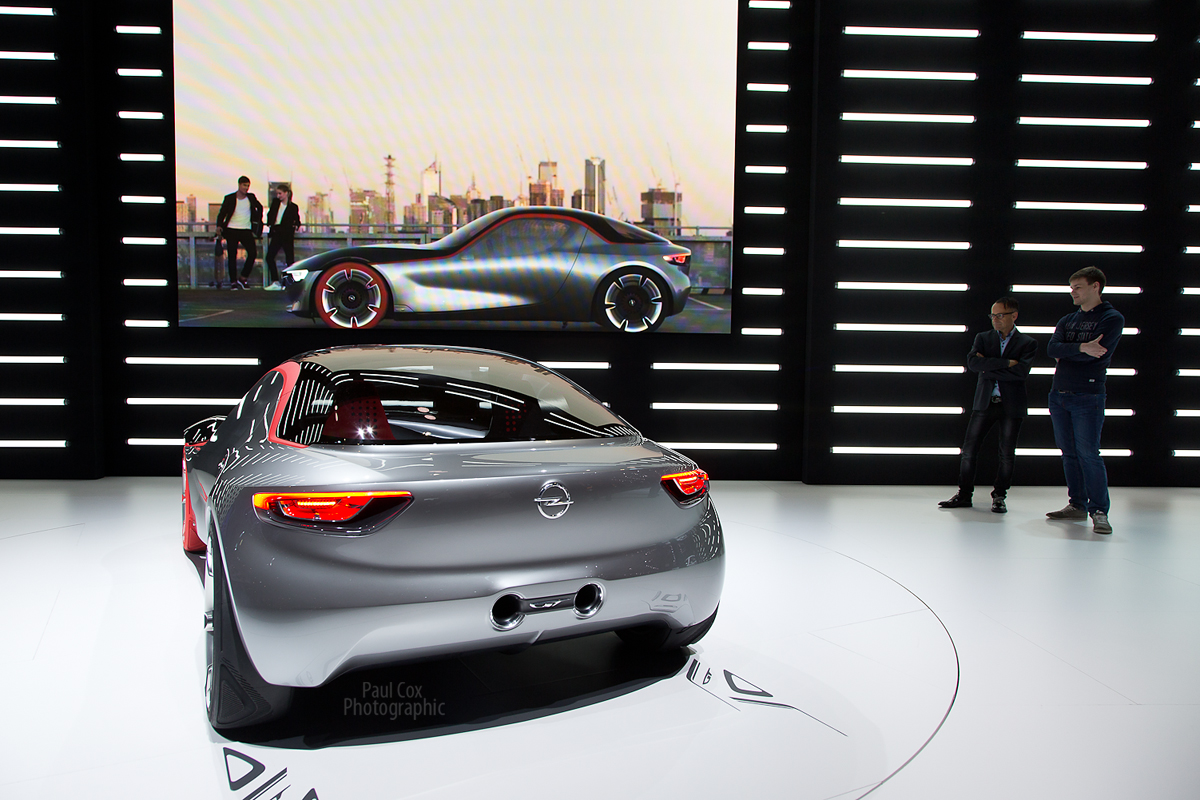
Opel GT concept
Ernst & Young’s Fuss said as well as traditional challenges facing the industry the idea of car sharing and integrated mobility is beginning to influence the automotive market, with big implications for the future of car demand. Buyers deciding not to own cars but simply share them or rent them will have a big, but so far, hard to judge impact on automotive demand, he said.

Audi Q2
Meanwhile in the current market, Audi showed its new Q2 small SUV, set to compete with the booming sales of the Opel-Vauxhall Mokka (the Buick Encore in the U.S.), Renault Captur and Suzuki Vitara. The Koreans Hyundai and Kia are stealing a march on the opposition, getting in early to show their green credentials. Kia will show its new Nero, the first small and affordable SUV with a hybrid. Hyundai is launching its Ioniq vehicles with three engine choices – hybrid, plug-in hybrid or battery only. Alfa Romeo will finally show key versions of its Giulia, which competes with the BMW 3 Series and Jaguar XE. Fiat, long dependent on just the little 500 city car, will launch the bigger Tipo.
The prize for the weirdest looking car in the show will probably go to Range Rover with its convertible version of the Evoque SUV.
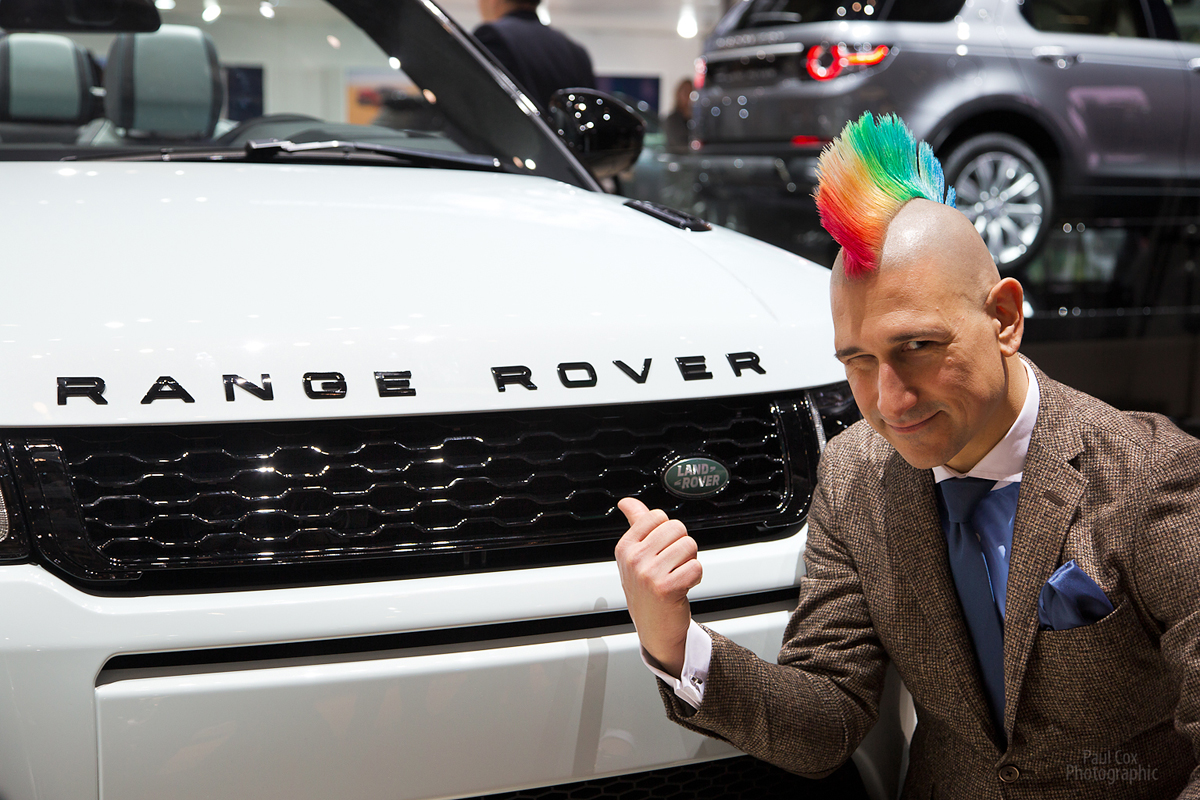
Range Rover Evoque SUV
The Geneva Car Show opens to the public through 13 at the Palexpo centre.

Skoda Show Girls
More pictures to come from Paul Cox Photographic…

No comments yet.