
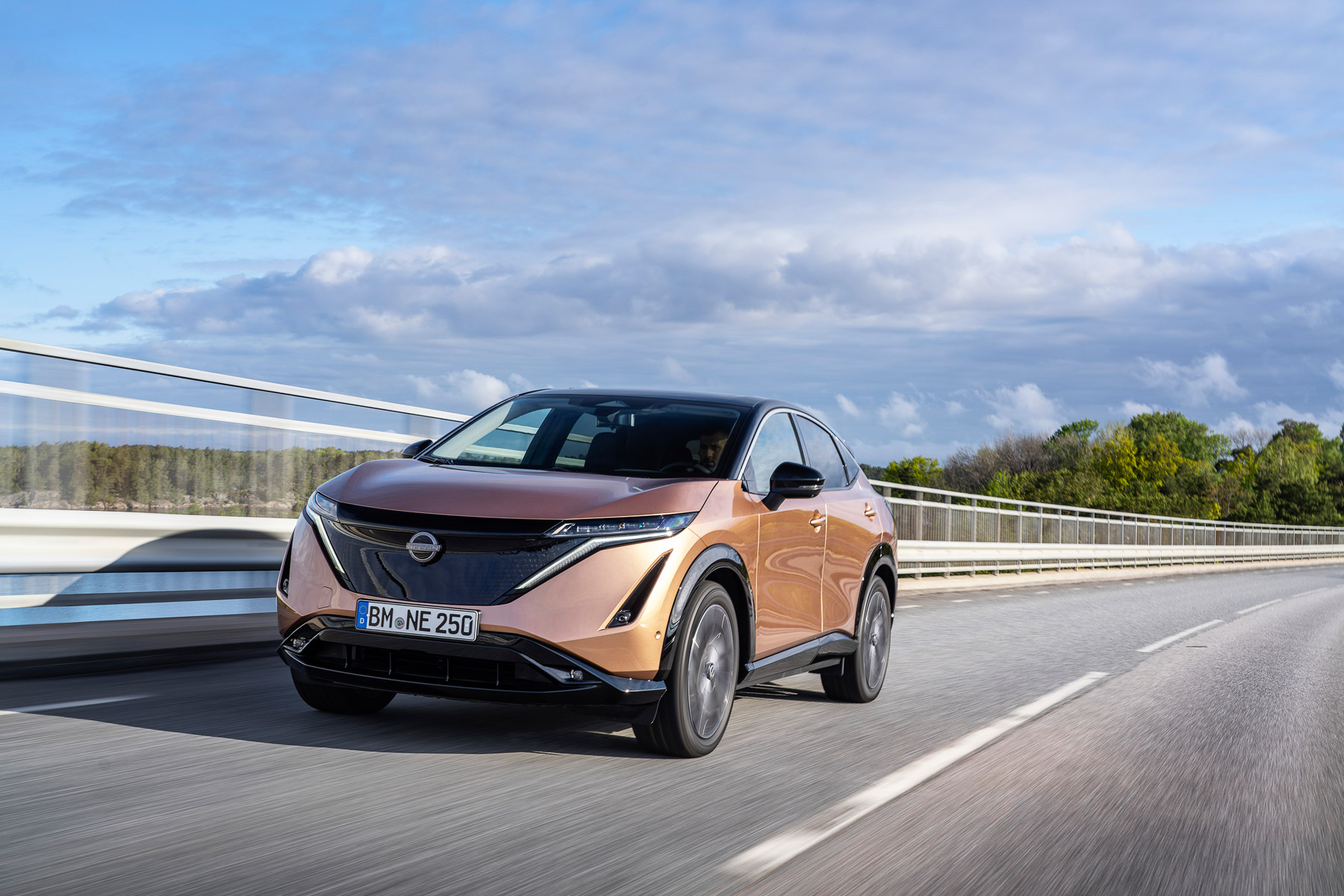
Nissan Ariya
Nissan Could Restore EV Leadership With Tiny Cars.
“Europe remains Nissan’s most realistic opportunity”
Nissan frittered away its Leaf’s leadership of the electric vehicle market and latest EVs like the Ariya SUV and the little Micra won’t make much of a dent in European sales. But the company has a potential ace in the hole.
The European market for new cars, which the European Union has decreed must be a near EV monopoly by 2035, is desperate to develop a mass-market based on extremely cheap vehicles like Japan’s Kei cars and Nissan knows all there is to know about making these little cars.
But you could have said the same thing about Nissan more than 10 years ago when it led the world in EVs. The Leaf was the biggest selling EV, but analysts say Nissan squandered its first-mover advantage and was slow to develop the basic design of this compact hatchback while competitors like Volkswagen were producing in-demand SUVs. Nissan also chose the wrong charging system. Its battery used out of date technology and had poor range compared with the competition, according to analysts
Nissan was also hampered by the arrest of former Chairman Carlos Ghosn in 2018 which threw a monkey wrench into the strategy and product launches of the Nissan-Renault-Mitsubishi alliance. The Alliance ended in late 2023, although cross-shareholdings remain. In 2024, Honda and Nissan announced a merger plan, but ditched that a year later, although the idea is still smouldering, refusing to die.
Good but late
Nissan eventually introduced new EV technology in 2022 with the Ariya, but it was late compared with the likes of Tesla, Volkswagen, BMW, Hyundai and Kia, while Chinese brands were starting to target Europe.
The new Ariya is the match of most of the competition but didn’t take EVs to a new level. Nissan is currently launching the little Micra EV, the result of investment by the Alliance.
According to Bernstein Research, Nissan sales in Europe will comprise 40% electric in 2026. 16 out of 30 new models launched globally will be EV or hybrid by 2026.
Jamel Taganza, vice-president of French auto consultancy Inovev, said the European market is the best market currently for Nissan EVs. China is too demanding because of the strength of local competition. The U.S. isn’t much interested in EVs.
“Europe remains Nissan’s most realistic opportunity. However, competition there is also fierce, and Nissan has been relatively absent from the EV innovation race for some time,” Taganza said in an email exchange.
Moderate volumes without strong differentiation
“To succeed, the company will need to be genuinely disruptive—whether through aggressive pricing, technological innovation (motors, battery performance), or enhanced customer services such as extended warranties. Without a strong differentiating factor, Nissan is likely to achieve only moderate volumes, primarily limited to its existing customer base,” Taganza said.
Felipe Munoz, an industry expert who runs the industry research platform Car Industry Analysis, said Nissan’s new EVs are arriving at a good time.
“They all look fresh, modern, and appealing, but… they are still expensive, as all the other EVs from the traditional brands. This is why I doubt they will make a difference,” Munoz said.
The EU wants to persuade manufacturers to make EVs more affordable, not least because its 2035 targets look impossible without a mass market.
The European Commission’s proposal for small and affordable cars will soon be examined by the European Parliament. This is part of the “Automotive Package” aimed at easing the way for European manufacturers to meet the 2035 zero carbon dioxide emissions requirements. This could mean the European equivalent of Japanese kei cars.
Latest kei cars are electric
Japan’s cheap little kei cars are small and inexpensive, but they still offer some of the latest safety technology. Prices are kept low because of small engines and significant tax, financial and infrastructure advantages. The latest ones are electric.
“You’re right, Nissan is an important player in the development of kei cars in Japan, particularly with the Sakura, the first electric kei car in Japan. Although it has not been a big seller, the Sakura puts Nissan as a pioneer in this segment,” Munoz said.
“It might be a good candidate for an eventual EU program, but as you know, they take a lot of time to decide. The problem with Nissan is that it was one of the first carmakers to offer electric cars for the masses but soon this momentum faded away as it had to deal with its problems at home (Ghosn and the crumbling Alliance with Renault). The other issue is its strong dependence on the U.S. market, which usually is not enthusiastic about the EVs,” Munoz said.
Inovev’s Taganza isn’t so sure a European kei market will happen
What will the Commission do?
“We still need to wait for the European Commission’s final decision regarding the potential creation of a new market segment. However, I am not particularly optimistic,” Taganza said.
“The main potential supporter of this initiative, Renault, has ultimately chosen to focus on strengthening its existing A-segment (Twingo) and B-segment models (Renault 5 and Renault 4) rather than promoting the development of a European-style “kei car” segment.”
“This makes the situation even more challenging for Nissan. Personally, I believe that a European kei car segment could have created genuine value for the market, while also offering a strong and differentiated opportunity for Nissan,” Taganza said.
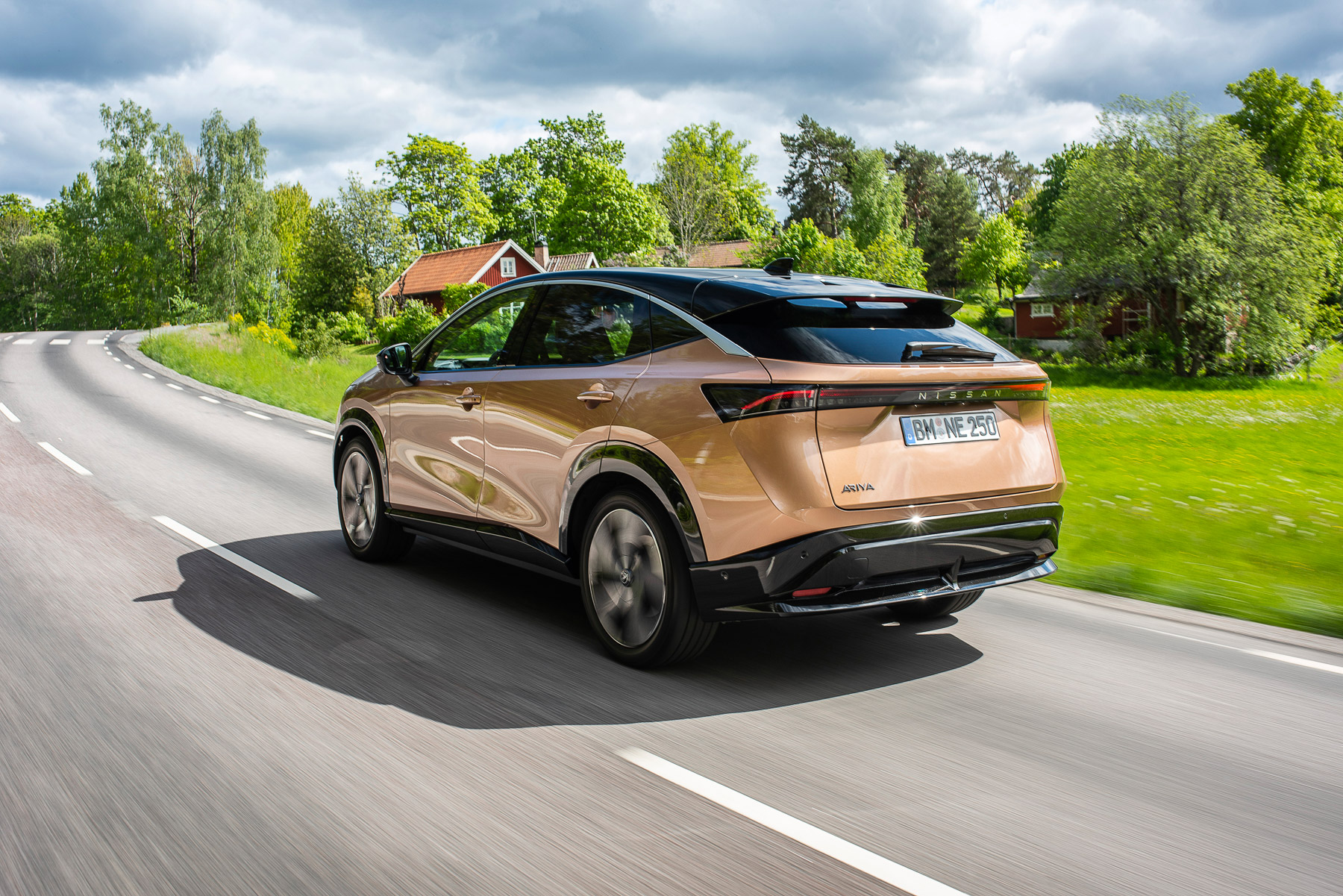
Nissan Ariya Nismo
Electric motor – 429 hp (2 motors)
Battery – 87 kWh Li-ion NCM
Claimed range – 261 miles (WLTP)
WintonsWorld battery test – 216 miles
Drive – all-wheels
Acceleration – 0-60 mph – 4.8 seconds
Top speed – 124 mph
Price – £56,620-$76,000 after tax

No comments yet.